
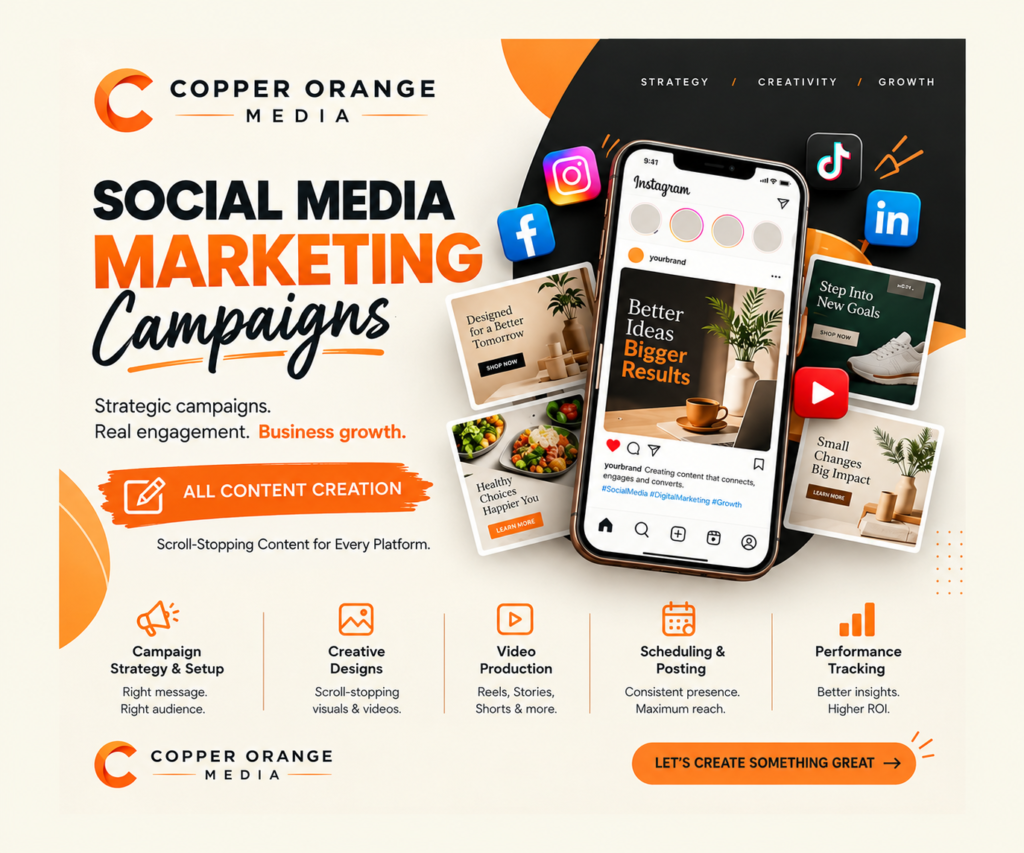
A business can post every day, receive hundreds of likes, and still struggle to attract customers. The problem is often not a lack of activity but a lack of direction. A well-planned social media marketing strategy helps businesses turn online activity into meaningful customer relationships and business opportunities.
Social media helps people discover brands, compare products, ask questions, and make buying decisions. However, simply posting content isn’t enough. Businesses need effective social media marketing to understand their audience, choose suitable platforms, share useful content, and guide potential customers towards taking action.
For businesses in Pakistan and international markets, a strong digital marketing strategy can improve brand visibility, build trust, and generate valuable leads.
What Is Social Media Marketing?
Social media marketing involves using platforms such as Facebook, Instagram, TikTok, LinkedIn, and YouTube to promote products or services and connect with customers.
It includes audience research, social media content creation, paid advertising, customer communication, and performance tracking.
For example, a jewellery brand can use social media content to share product videos, styling ideas, and customer reviews. Interested people can ask questions through Instagram messages or visit its website to make a purchase. Each interaction helps move potential customers closer to a buying decision.
Why Social Media Marketing Matters for Businesses
A consistent social media presence helps businesses reach new customers, build recognition, and maintain relationships with existing buyers.
- Reach new customers: Useful posts and videos introduce your brand to people who may not know about your business.
- Build brand recognition: Consistent visuals, messaging, and content help customers remember your business.
- Communicate directly: Social platforms allow customers to ask about prices, services, delivery, and other concerns.
- Understand customer needs: Comments and messages reveal common questions and buying concerns.
- Maintain relationships: Regular updates and helpful advice support customer retention.
Social media marketing for businesses isn’t only about attracting new buyers. It also helps companies stay connected with existing customers and encourage repeat purchases.
How to Build an Effective Social Media Marketing Strategy
A successful social media marketing starts with clear business goals, not with choosing a platform or publishing random posts.
1. Set Clear Objectives
Decide what you want your social media campaigns to achieve. Your goal might be increasing brand awareness, generating enquiries, improving website traffic, increasing online sales, or building customer loyalty.
Avoid focusing only on likes and followers. A post with fewer interactions can still be valuable if it brings relevant enquiries and supports your business goals.
2. Understand Your Audience
Effective social media marketing requires understanding customers’ needs, interests, concerns, and buying habits. Consider what problems they want to solve, what questions they ask, and what information helps them trust a business.
For example, furniture buyers may care more about material quality, dimensions, durability, and delivery than attractive product photographs alone. This insight can help shape a more relevant content marketing strategy.
3. Research Competitors
Competitor research helps improve your social media strategy by showing what other businesses publish, which topics attract attention, and what customer questions remain unanswered.
Use these insights to make your own content more useful rather than copying competitors’ posts or visual identity.
4. Understand the Customer Journey
A good social media marketing plan recognises that customers move through different stages before purchasing:
- Discovery: Short videos, tips, and educational posts introduce your brand.
- Consideration: Demonstrations, comparisons, and FAQs help customers evaluate options.
- Decision: Testimonials, pricing, and consultation offers build confidence.
- Retention: Updates, support, and useful information maintain relationships.
5. Plan and Review Content
Create a social media content calendar based on customer questions and business priorities. Publish consistently, monitor responses, and review which posts generate meaningful conversations and enquiries.
Use performance data to improve your social media strategy instead of changing everything after one disappointing post.
Choosing the Right Social Media Platforms
You don’t need to manage every platform. The best social media platforms for business are the ones your customers actually use.
- Facebook: Useful for local businesses, community engagement, customer enquiries, and targeted advertising.
- Instagram: Suitable for fashion, beauty, food, jewellery, and other visual brands. Use Reels, Stories, product images, and customer content.
- TikTok: Helps businesses reach audiences through creative short videos, demonstrations, and practical tips.
- LinkedIn: Best suited to B2B companies, consultants, recruiters, and professional services. Share industry insights and useful business advice.
- YouTube: Works well for tutorials, product demonstrations, interviews, and detailed explanations.
- Pinterest: Useful for interior design, weddings, fashion, home décor, and other visual discovery businesses.
For example, restaurants may benefit from Instagram and Facebook, while software companies may find LinkedIn and YouTube more relevant. Choose platforms according to your audience and available resources.
Organic Social Media Marketing vs Paid Advertising
Organic social media marketing means publishing content and building relationships without paying for the distribution of each post. It includes regular updates, educational videos, customer discussions, and community engagement.
Paid social media advertising involves investing in campaigns to reach selected audiences and encourage actions such as website visits, purchases, messages, or lead form submissions.
Organic marketing helps build recognition and trust, while paid advertising can increase reach and support specific business goals. Combining both approaches can be effective.
For example, a clothing store can share product videos organically, identify which products attract interest, and then use social media advertising to promote those products to relevant audiences.
However, advertising cannot fix a confusing offer, weak content, or a poor website experience.
Creating Content That Customers Actually Want
Repeating promotional graphics and discount announcements can make audiences lose interest. A balanced social media content strategy should include different types of content.
- Educational posts: Answer common customer questions and explain useful topics.
- Product demonstrations: Show how products work and highlight their features.
- Behind-the-scenes content: Give people a look at your team, process, or business.
- Customer reviews: Share genuine feedback with permission.
- Short videos: Use tutorials, FAQs, comparisons, and quick explanations.
- User-generated content: Share suitable customer photos and videos with permission.
- Thought leadership: Publish practical insights and industry knowledge.
A useful starting point for content planning is 35% educational content, 25% product demonstrations, 20% brand and trust-building posts, and 20% promotions. Adjust these proportions according to your business and campaign goals.
Turning Social Media Followers into Qualified Leads
Getting attention is useful, but businesses also need a clear social media lead generation process for converting interest into enquiries and sales.
Start by giving important posts a relevant call to action, such as requesting a consultation, viewing a product collection, or sending a message.
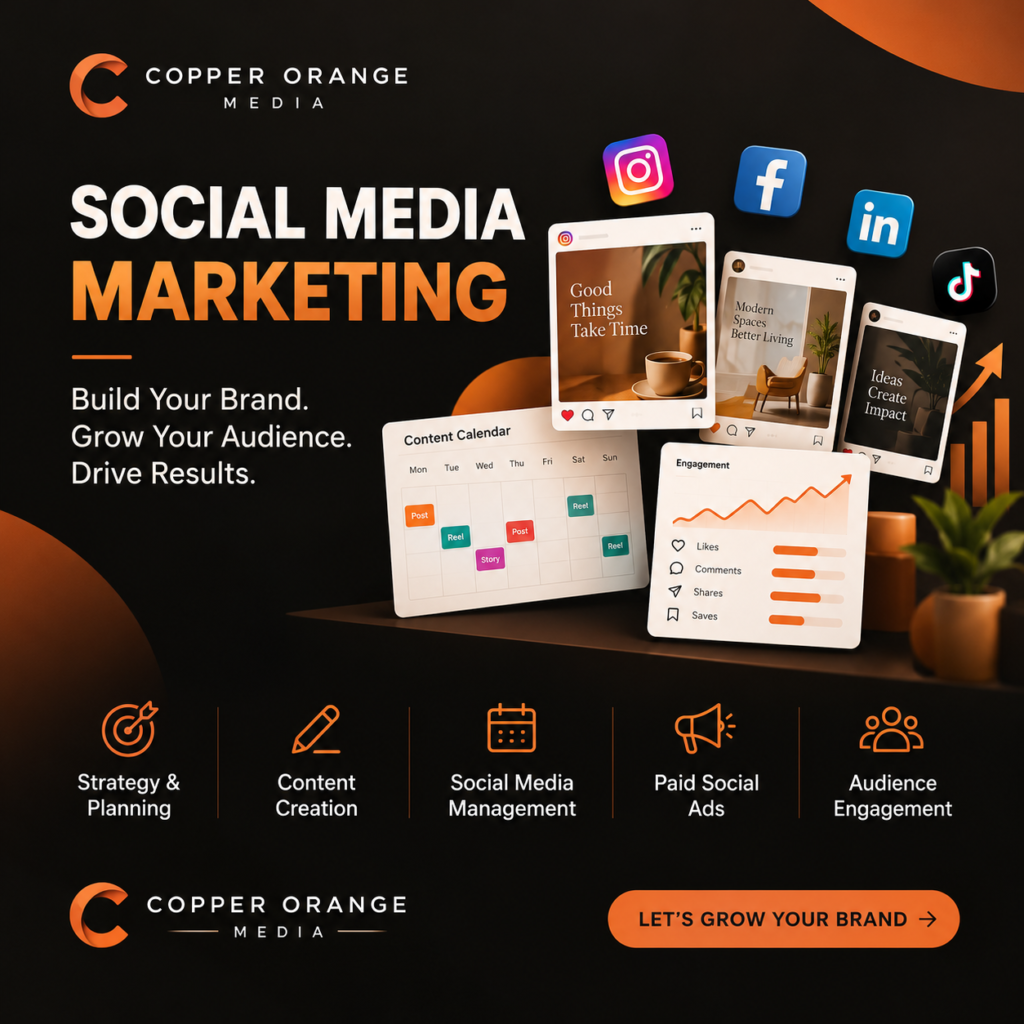
For paid campaigns, send visitors to a relevant landing page rather than always directing them to your homepage. A good landing page should explain the offer, highlight benefits, provide useful information, and make the next step easy.
Businesses can collect qualified leads through website forms, platform lead forms, Messenger, or WhatsApp. Follow up promptly, understand customer requirements, and record which enquiries become genuine opportunities.
Social media retargeting can also help reconnect with eligible people who previously interacted with your content or website. Make sure tracking and data collection follow applicable privacy requirements.
Planning and Measuring Social Media Advertising
Before launching a campaign, choose a social media advertising objective that matches your business goal, such as awareness, website visits, leads, or purchases.
Test different images, videos, headlines, and offers to understand what attracts the right audience. Track important actions, including form submissions and purchases, rather than counting every website visit as a conversion.
Use these social media marketing metrics to evaluate performance:
- Reach and impressions: Show how many people saw your content and how often it appeared.
- Engagement: Includes comments, shares, saves, and meaningful messages.
- Click-through rate and website visits: Help evaluate interest in your offer.
- Cost per lead: Shows the average advertising cost for each enquiry.
- Conversion rate: Measures how many visitors complete the desired action.
- Customer acquisition cost: Estimates the cost of gaining a customer.
- Return on ad spend: Compares advertising expenditure with attributed revenue.
For example, if a business spends PKR 50,000 on paid social media campaigns and receives 100 enquiries, its cost per enquiry is PKR 500. But if only five enquiries become customers, lead quality and the sales process must also be considered. Cheap leads don’t always mean profitable results.
Common Social Media Marketing Mistakes
Businesses often waste time and budget by making avoidable social media marketing mistakes:
- Using identical content on every platform.
- Posting without understanding customer needs.
- Chasing followers instead of qualified leads.
- Making every post a sales advertisement.
- Ignoring customer messages.
- Running campaigns without a clear offer.
- Sending visitors to slow or confusing websites.
- Changing campaigns without enough performance data.
The solution is to understand your audience, communicate clearly, respond to enquiries, and make decisions based on reliable social media analytics.
Choosing the Right Social Media Marketing Agency
If managing social media internally becomes difficult, a professional social media marketing agency can provide support with strategy, content, and advertising.
Before choosing an agency, review its creative work and ask how it understands your business, plans campaigns, tests advertisements, and measures results.
Also clarify what its social media management services include: platforms managed, monthly content, video and graphic design, community management, advertising, reporting, account access, and additional charges.
Choose an agency that communicates clearly and sets realistic expectations. Be cautious of guaranteed sales or promises of viral content.
How Copper Orange Media Can Support Your Business
Copper Orange Media offers digital marketing services that can help businesses connect their social media activity with wider marketing goals.
Its services include social media strategy, content creation, community management, paid campaigns, and performance reporting. Businesses can explore its Social Media Marketing services to learn more about its approach.
Additional support includes web design and development, SEO, content marketing, PPC advertising, graphic design, and video editing.
Connecting these digital marketing solutions can help businesses maintain consistent branding, attract relevant visitors, and create a clearer customer journey.
Final Thoughts
Successful social media marketing isn’t about posting more often or following every trend. It’s about understanding customers, sharing useful content, choosing suitable platforms, and making it easy for people to take action.
Start with clear goals, measure meaningful results, and improve your social media marketing strategy as you learn what works.
If your business needs a more organised approach to social media and digital marketing, Copper Orange Media can help connect creative content, advertising, and digital strategy to support business growth.