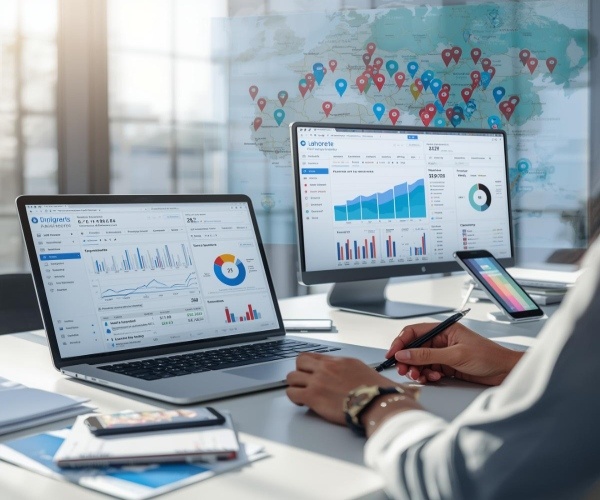
In 2026, the way people search, choose, and buy products has changed dramatically. Today, most people use the internet before making any decision. They search for services, compare options, and check reviews to make informed choices. Consequently, businesses must appear online at the right moment to capture their audience’s attention. This is where Pay-Per-Click (PPC) advertising becomes crucial. By placing ads in front of people who are already looking for your products or services, PPC ensures that businesses reach a ready-to-engage audience. Unlike traditional marketing, a business pays only when someone clicks the ad, which helps control costs effectively.
In a busy and competitive city like Lahore, simply having a website is not enough. Multiple companies offer similar products and services, making it harder to stand out. PPC advertising allows businesses to capture attention immediately, connect with potential customers, and generate meaningful traffic.
Understanding Pay-Per-Click (PPC) Advertising
PPC advertising is a form of online marketing in which businesses pay only when a user clicks on their ad. These ads can appear on search engines, websites, and social media platforms. When a user searches for a product or service, PPC ads often appear at the top of the results page. These ads are driven by keywords, which are the words or phrases people type when searching online. Businesses select keywords that match their services so their ads can reach the right audience. This method is different from traditional marketing because it focuses on user intent. Instead of targeting a general audience, Pay-Per-Click Advertising reaches people who are actively searching for what a business offers. By doing so, it maximizes the chances of engagement and conversion.
How PPC Advertising Works
PPC advertising follows a systematic process, but every step requires careful planning. First, businesses perform keyword research to identify the most relevant terms potential customers are using. Then, ads are created with concise headlines, clear messages, and links to relevant landing pages. Next, businesses participate in a bidding process, determining how much they are willing to pay per click. When a user searches using the selected keywords, the system evaluates the ads based on bid amount, relevance, and quality. The highest-ranking ads appear on top. Every time someone clicks an ad, the business pays a small amount, which allows for precise budget control.
Because Pay-Per-Click (PPC) campaigns can be started immediately, businesses can gain quick visibility and reach users who are ready to take action. This makes PPC an efficient marketing strategy for both new and established companies.
Why PPC Advertising Matters in 2026
The online landscape is expanding rapidly. More businesses are establishing digital presences, and the number of people using the internet daily is increasing. Consequently, competition for online attention has intensified. People are making decisions faster than ever, often choosing services from the first few options they see. PPC helps businesses appear prominently at these key moments, increasing the likelihood of engagement.
Mobile usage is another critical factor. Many users search from smartphones or tablets, and PPC ads are optimized to appear immediately on these devices. This ensures that businesses capture mobile traffic effectively. Additionally, user expectations have shifted. People now want quick answers and prefer companies that are easy to find online. PPC helps meet this expectation by providing immediate visibility and accessibility.
Key Benefits of PPC Advertising
PPC offers several strong advantages that make it a valuable tool for businesses in Lahore and beyond.
Immediate Results: Unlike SEO, which can take months to show results, PPC generates traffic as soon as a campaign starts. This is especially useful for launching new products or services.
Targeted Reach: Businesses can define who sees their ads based on location, interests, device type, or search behavior. This ensures that marketing efforts reach users who are more likely to take action.
Budget Control: PPC allows complete control over spending. Businesses can set daily or monthly budgets, increase or decrease them at any time, and avoid overspending.
Measurable Performance: Every click, impression, and conversion can be tracked. Businesses can analyze which ads perform best and make data-driven decisions to optimize campaigns.
Brand Awareness: Even when users do not click on an ad, they see the brand. This repeated exposure increases familiarity and recognition over time.
By combining these benefits, PPC provides businesses with both immediate impact and long-term advantages.
PPC vs SEO: A Balanced Approach
Both PPC and SEO are important for a strong online presence, but they serve different purposes. PPC is a paid strategy that delivers instant visibility, while SEO is an organic approach that builds credibility over time. Many businesses use both together. PPC drives immediate traffic and conversions, whereas Search Engine Optimization provides sustainable visibility and long-term growth. Using these strategies in tandem ensures a comprehensive online marketing approach.
Why Businesses in Lahore Need PPC
The business market in Lahore is highly competitive. Multiple companies compete for the same audience, making it essential to stand out. Pay-Per-Click (PPC) advertising helps businesses appear at the top of search results, increasing visibility and attracting more customers. Additionally, businesses can focus on specific areas within the city, which ensures ads reach local customers who are most likely to take action.
Customer behavior in Lahore has shifted significantly. More people prefer to search online before visiting physical stores. Businesses that fail to appear in relevant searches risk losing customers to competitors. PPC also levels the playing field for smaller businesses, allowing them to compete effectively with larger companies by targeting the right audience at the right time.
Types of PPC Advertising
PPC campaigns come in various forms, each suited to different objectives:
- Search Ads: Displayed on search engine results pages when users search for relevant keywords.
- Display Ads: Shown as banners or images across websites and apps.
- Social Media Ads: Appear on platforms like Facebook, Instagram, and LinkedIn to reach a targeted audience.
- Shopping Ads: Showcase products with images, prices, and descriptions, ideal for e-commerce businesses.
Using a combination of these ad types allows businesses to reach their audience across multiple touchpoints.
Keyword Research in PPC
Effective keyword research is the foundation of a successful PPC campaign. Businesses must identify terms that potential customers are likely to search. Keywords can be short and broad, or long and specific. Long-tail keywords often perform better because they match user intent more closely, leading to higher-quality traffic. By selecting relevant keywords, businesses attract the right audience and improve campaign efficiency.
Writing Effective Ads
A PPC ad is only as effective as its content. Strong ads include a clear headline, concise description, and a call to action. They must align with the user’s search intent to encourage clicks. Ads that are vague or unrelated to the search term are often ignored, wasting both budget and opportunity.
Importance of Landing Pages
The landing page is where users arrive after clicking an ad. A well-optimized landing page increases the likelihood of conversion. It should:
- Match the ad message
- Provide clear and relevant information
- Encourage users to take a specific action, such as filling a form or making a purchase
Poorly designed landing pages often lead to high bounce rates and lost potential customers.
Key Metrics to Track in PPC
To measure campaign success, businesses should track:
- Click-Through Rate (CTR): Percentage of people who click the ad after seeing it.
- Cost Per Click (CPC): How much each click costs.
- Conversion Rate: Percentage of users completing desired actions.
- Return on Investment (ROI): Profit generated relative to ad spend.
Monitoring these metrics ensures businesses can make informed decisions and refine their campaigns.
Common PPC Mistakes to Avoid
Some businesses fail to maximize PPC results due to simple mistakes:
- Using irrelevant keywords
- Writing unclear or weak ads
- Ignoring campaign data
- Not optimizing landing pages
Avoiding these errors helps businesses save money and achieve better results.
Improving PPC Campaigns
Campaign improvement is an ongoing process. Businesses should regularly test different ad copies, update keywords, and enhance landing pages. Small, consistent improvements often yield significant results over time.
PPC Across Industries
PPC is versatile and can be used in almost any sector:
- Retail: Promote products and special offers
- Education: Market courses and training programs
- Real Estate: Showcase property listings
- Healthcare: Promote clinics and medical services
This flexibility makes PPC a valuable tool for any business looking to expand its digital presence.
Using Data for PPC Success
Data is critical for PPC campaigns. By analyzing user behavior, businesses can identify high-performing keywords, adjust budgets, and optimize ad performance. Data-driven decisions improve campaign efficiency and increase ROI.
Managing PPC Campaigns Effectively
Successful PPC management requires ongoing planning and monitoring. At this stage, businesses often seek expert guidance. Copper orange media helps companies manage PPC campaigns strategically, ensuring ads align with business goals. This approach maximizes results while making efficient use of time and resources.
Future Trends in PPC Advertising
PPC is evolving with technology. Automation tools now assist with bid management and targeting. Voice search is growing, changing how keywords are selected. Mobile usage continues to rise, requiring ads to be mobile-friendly. Businesses that adapt to these trends can maintain a strong online presence and reach more potential customers effectively.
Also Read
- Amazon Marketplace Services in Lahore for Business Growth
- Why Businesses Need Professional Content Writing Services In Lahore 2026
Conclusion
Pay-Per-Click (PPC) advertising is an essential part of digital marketing in 2026. It allows businesses to reach the right audience at the right time, offering immediate visibility, targeted reach, and measurable results. For businesses in Lahore, PPC helps maintain a strong presence in a competitive market while attracting customers actively searching for their services.
Working with a team like Copper Orange Media can make campaigns more effective. They help businesses plan, manage, and optimize PPC strategies so every ad reaches the intended audience and drives results. By combining careful planning, data analysis, and regular updates, businesses can achieve steady growth, improve overall marketing performance, and adapt to evolving digital trends. Using professional PPC guidance ensures that businesses remain competitive and connected to the right audience at all times.
FAQs:
1. What is Pay-Per-Click (PPC) advertising?
PPC is an online marketing method where businesses pay only when someone clicks their ad. It helps increase visibility and attract the right audience.
2. How does PPC work for businesses in Lahore?
Businesses select keywords and create ads that appear when users search online. They pay only for clicks, which helps control costs and reach local customers effectively.
3. Why should Lahore businesses invest in PPC in 2026?
PPC provides immediate visibility, drives traffic, and helps businesses compete in a crowded market. It targets users actively searching for services or products.
4. What types of PPC ads are available?
Common types include search ads, display ads, social media ads, and shopping ads. Each serves a different purpose to reach potential customers online.
5. How can a company like Copper orange media help with PPC?
Copper orange media helps businesses plan, manage, and optimize PPC campaigns to reach the right audience, increase clicks, and improve overall online performance.